Organ-Specific Toxicity
Organ‑Specific Toxicity Testing
Pharmaron offers organ‑specific toxicity testing across all relevant organ systems, supporting programs from early discovery through preclinical candidate selection and IND submission. This integrated approach allows clients to assess safety liabilities efficiently while working with a single CRO.
Which is the Right Organ-Specific Toxicity Model for Each Research Stage?
Organ-specific toxicity assay selection is guided by project stage and research question. For example, early discovery is supported with high‑throughput assays on robust cell systems so that liabilities can be identified for lead ranking. As programs move forward, toxicity studies are performed with models with greater biological complexity.
Organoids and Organ-on-a-Chip Models Provide Human Relevance
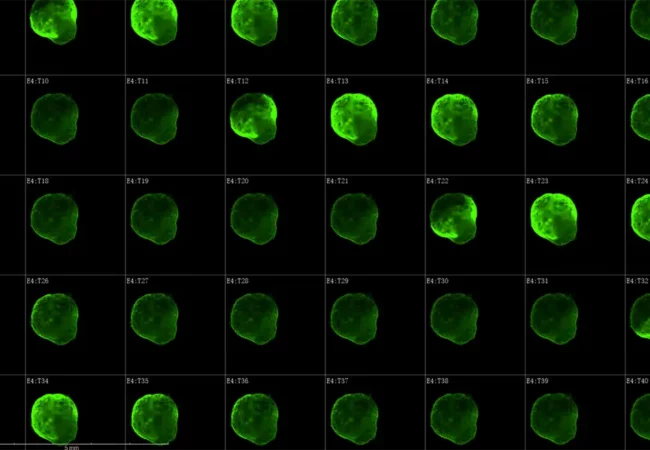
When our clients need to understand the causes or mechanisms behind detected toxicities, we can use 3D organoids or organ-on-a-chip models. These models were developed with human cells or tissue and provide multicellular interactions to mimic organ physiology. Using these translational models, we can link the observations to a likely biological cause.
Capabilities
Seamless Path into Regulated and in vivo Testing
We established our in vitro toxicology suite with an emphasis on continuity. Our discovery biology teams work hand in hand with our ADMET and in vivo pharmacology teams, bringing different expertise to the project. Our safety assessment teams provide GLP-compliant in vitro toxicology assays to ensure data continuity through IND-enabling studies.